You start your morning with a quick loop through Central Park, grab coffee on 86th, and hop on the Q train downtown. By evening, you’re strolling past quiet townhouse blocks on your way to dinner on Second Avenue. If that rhythm sounds like your kind of New York, the Upper East Side might be a fit. In this guide, you’ll learn what day-to-day life feels like, the housing choices you’ll weigh, and how to navigate tradeoffs like transit, noise, and building rules. Let’s dive in.
Where the Upper East Side begins
The Upper East Side runs from 59th Street to about 96th Street, and from Fifth Avenue at Central Park to the East River. Within that stretch, micro-neighborhoods give each block its own feel.
- Carnegie Hill: Northern UES with a townhouse vibe, museums, and calmer side streets.
- Lenox Hill: Mid-UES with major hospitals and many mid-rise apartments.
- Yorkville: Northeast pocket with newer buildings, diverse dining, and strong transit via the Q line.
- Sutton Place: Southeast pocket near the river, known for quiet blocks and luxury towers.
- Museum Mile: The Fifth Avenue stretch facing Central Park, lined with landmark institutions.
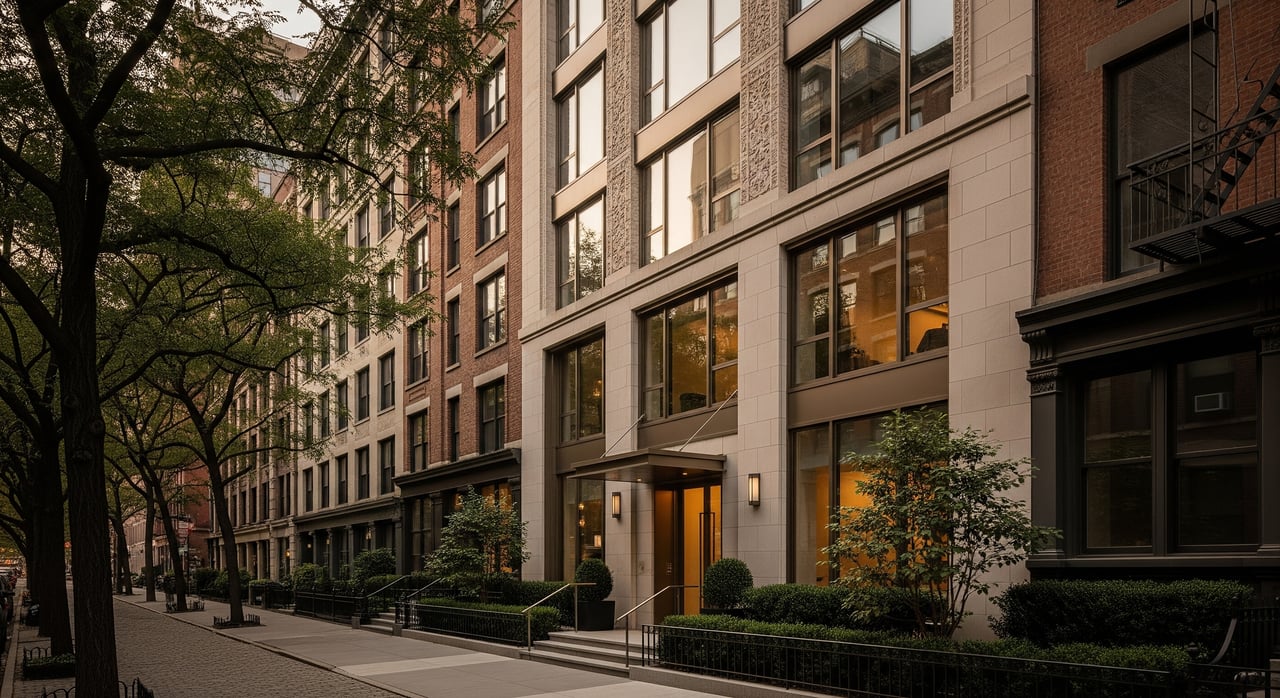
Near Fifth and Park Avenues, you’ll see classic pre-war buildings and formal blocks. Farther east toward Second and First, you’ll find newer condos, more rental choices, and a livelier everyday scene.
Housing choices on the UES
The Upper East Side offers a full range of options, from studios in classic co-ops to townhouses and new luxury condos. Your experience will vary based on building type and location.
Co-ops vs. condos
- Co-ops: Common across the UES, especially in pre-war and mid-century buildings. Expect a board interview, more detailed financial review, and possible down payment and reserve requirements. Monthly maintenance often includes a share of building taxes and services. Co-ops can offer value, but approvals take time.
- Condos: Often newer, with more flexible rules on financing and subletting. You’ll pay separate common charges and property taxes. Condos typically trade at a premium and can be easier to resell.
Townhouses and brownstones
Primarily in Carnegie Hill and select side streets, townhouses appeal if you want a private entrance and more space. These sit at the higher end of the market and often require a careful plan for renovation and ongoing upkeep.
Rentals and mixed buildings
Walk-ups and doorman rentals are more common toward Yorkville and along Second and Third Avenues. If you’re renting first to learn the neighborhood, you’ll have options across many price points.
A quick buyer checklist
- Lifestyle fit: Do you prefer a quiet side street near the park or a livelier block close to transit and dining?
- Ownership rules: Are you comfortable with a co-op board interview, or do you need condo flexibility for financing or future rental options?
- Monthly costs: Budget for co-op maintenance or condo common charges plus taxes. Look closely at services included.
- Accessibility: Older buildings may lack elevators. If elevator access is important, focus on newer condos or renovated full-service buildings.
- Pets and policies: Pet rules vary widely, especially in co-ops. Confirm building policies early.
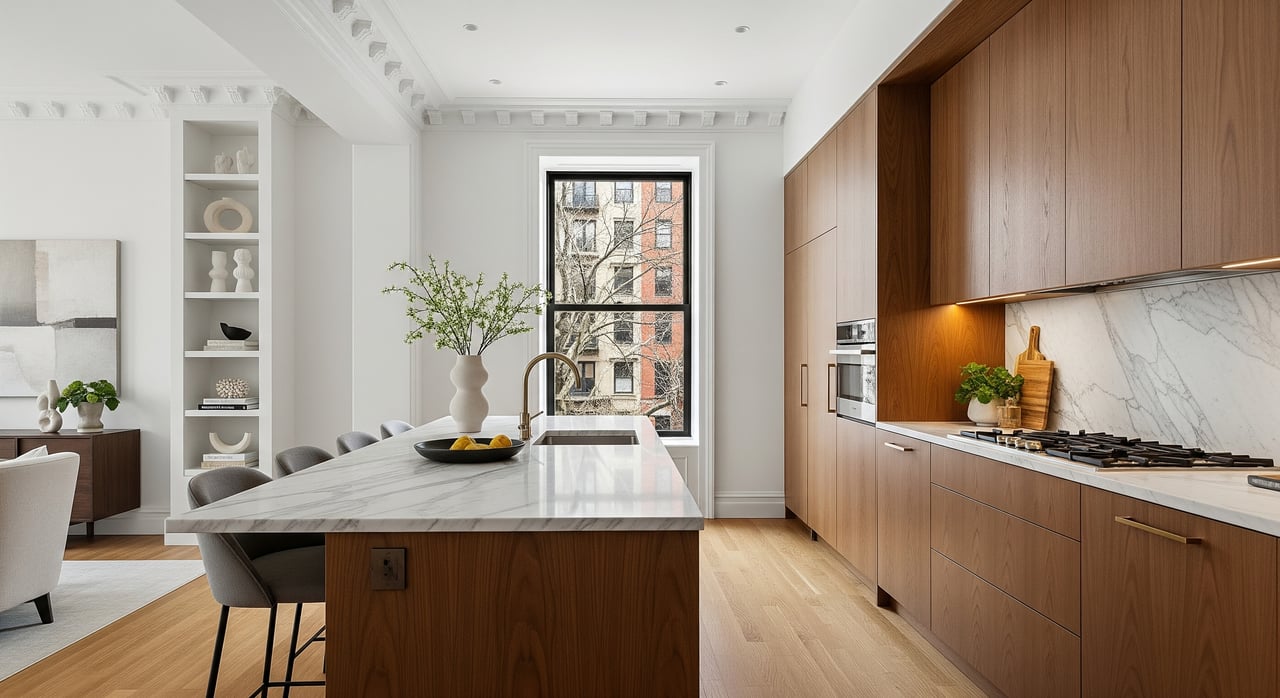
If you’re weighing light renovations or value-add projects, targeted upgrades can make a real difference. Many UES buildings reward thoughtful design and board-savvy planning.
Daily rhythms: parks and green space
Central Park hugs the neighborhood’s western edge, offering meadows, playgrounds, running loops, and seasonal events. For waterfront air, the East River Esplanade stretches along the river, and Carl Schurz Park near East End Avenue and 86th Street is a favorite for quiet paths and dog runs. John Jay Park brings a neighborhood-scale feel with a playground and pool. You can easily build outdoor time into your routine without leaving the neighborhood.
Culture at your doorstep
The UES is home to Museum Mile along Fifth Avenue, where you’ll find The Metropolitan Museum of Art and the Guggenheim among other institutions. Smaller galleries and cultural spaces dot the side streets, and library branches offer community programming. You are a quick ride to Lincoln Center and other major venues citywide, but on the UES, culture lives right outside your door.
Dining, grocery, and retail
You’ll find everything from everyday delis to refined dining within a few blocks. Madison Avenue is known for luxury boutiques. Lexington and Third Avenues mix local shops with national brands, and 86th Street serves as a busy crosstown hub with grocery, pharmacy, and essentials. Nightlife is present but restrained. Expect cocktail and wine bars rather than club scenes.
Getting around
The UES is one of Manhattan’s most connected residential areas.
Subways and buses
The Lexington Avenue line (4/5/6) runs the spine of the neighborhood, while the Second Avenue Q line serves the eastern side with multiple stops. The 63rd Street station links F and Q service. Crosstown buses, including the M86, and north-south routes like the M15, fill in the gaps.
Commute times
From central UES locations, Midtown rides are commonly about 10 to 20 minutes by subway. Trips to the Financial District are usually 25 to 40 minutes or more depending on time of day and connections. If you prefer cycling, protected lanes and Citi Bike coverage make bike commutes practical.
Driving and parking
Street parking is limited and garages are common. Traffic can be heavy at peak times. Many residents rely on transit, ride-hailing, or car services.
Schools and healthcare
Public school options fall under the NYC Department of Education with zoned schools and specialized programs. Availability and admissions vary by address and program, so it pays to plan early. The neighborhood also hosts notable private schools, including Dalton, Brearley, Spence, and Chapin. For early childhood, you’ll find many preschools and daycares, with some requiring advance applications.
Healthcare access is a core strength. Major centers include NewYork-Presbyterian/Weill Cornell, Memorial Sloan Kettering, and Lenox Hill Hospital. Outpatient clinics and specialists are abundant throughout the area.
Practical tradeoffs to expect
- Noise and activity: Avenues and 86th Street are busier, while side streets near Park and Fifth are generally calmer.
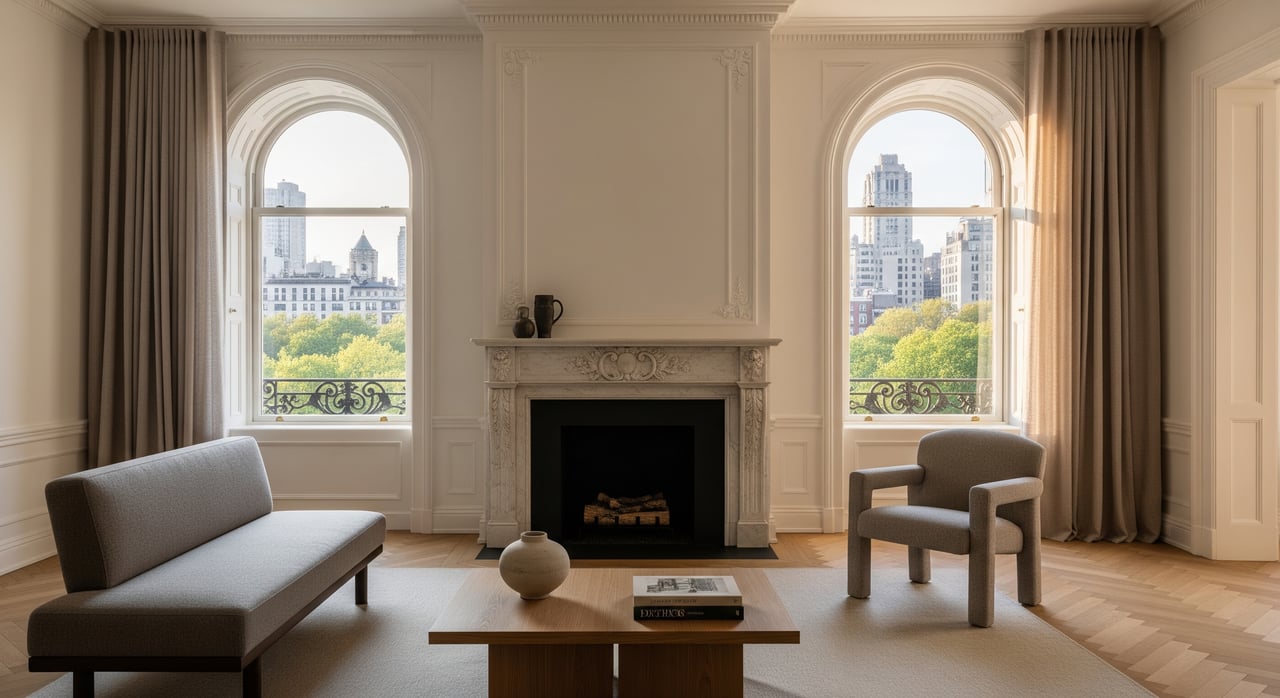
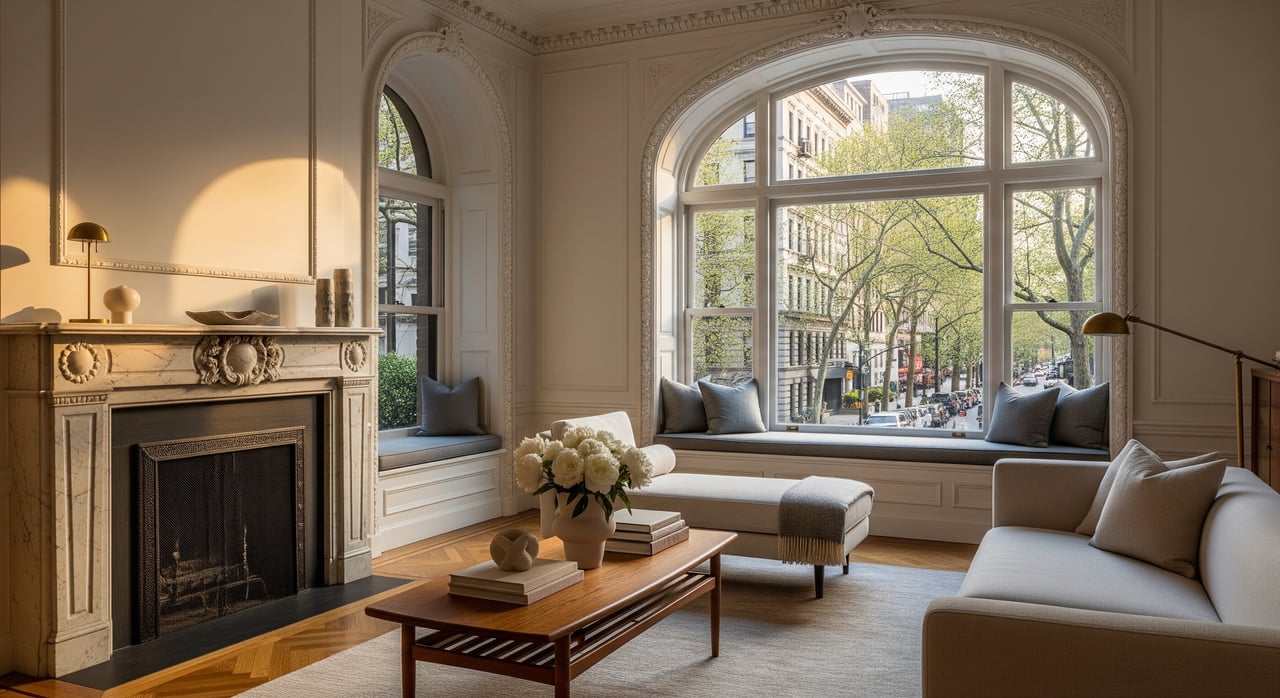
- Older vs. newer buildings: Many pre-war buildings offer charm but may lack elevators or modern amenities. Newer condos tend to have elevators, fitness rooms, and ADA-friendly features.
- Pet and package policies: Doorman buildings simplify daily needs with package handling and often better pet amenities, but rules vary.
- Storage and laundry: In-unit laundry and storage are more common in newer condos or renovated co-ops; check building policies and basement facilities.
- Safety awareness: The UES is widely seen as residential with lower violent crime than many parts of Manhattan, but risks vary by block and time. Stay aware near transit hubs and confirm up-to-date data from official sources.
Who the UES fits
If you value access to Central Park, walkable daily errands, museums close by, and a neighborhood that quiets down at night, the UES aligns well. If you want strong subway coverage to Midtown with the option to bike or bus, you’ll find it here. If you’re open to co-ops or want the convenience of a full-service building, your options are deep. The neighborhood covers a wide range of budgets, from entry-level co-ops to luxury condos and townhouses.
Search smarter on the UES
- Map your routine: Stand on the block at different times of day. Listen for street noise and check your walk to transit, groceries, and parks.
- Match building type to goals: If flexibility matters, focus on condos. If you’re comfortable with board approvals and want value, include co-ops.
- Underwrite the monthly: Compare co-op maintenance against condo common charges and taxes to see your true monthly cost.
- Plan for accessibility: If you need elevator access or plan to age in place, prioritize buildings with modern elevators and ADA-friendly design.
- Think renovation: Targeted updates can unlock value. Focus on kitchens, baths, flooring, and lighting that suit the building’s architecture and board guidelines.
If you want a steady, design-minded advisor who knows the micro-differences between York Avenue and Park Avenue blocks, and who can guide you through board packages, financing nuances, and value-focused improvements, let’s talk. Request a Valuation or Schedule a Consultation with Geri Grobman.
FAQs
Is the Upper East Side good for households with children?
- Many households choose the UES for park access, residential blocks, and school options, but availability and fit vary by address and program.
What is the difference between co-ops and condos on the UES?
- Co-ops often have board approvals and higher upfront scrutiny with maintenance that includes some taxes; condos are more flexible with separate common charges and property taxes and usually higher purchase prices.
How long is the commute from the UES to Midtown?
- Many Midtown destinations are about 10 to 20 minutes by subway from central UES stops on the 4/5/6 or Q lines.
What are the main sub-neighborhoods on the UES?
- Carnegie Hill, Lenox Hill, Yorkville, Sutton Place, and Fifth Avenue’s Museum Mile each offer distinct streetscapes and building types.
Is parking difficult on the Upper East Side?
- Street parking is limited and garages are common, so many residents rely on subways, buses, biking, and car services.
What is nightlife like on the Upper East Side?
- Nightlife is more low-key with wine bars and lounges, while those seeking a late-night scene often head downtown.
Do most UES buildings have elevators?
- Many older pre-war buildings do not have elevators, while newer condos and renovated full-service buildings more often include elevator access and modern amenities.