You fall in love with SoHo for its soaring ceilings, cast-iron facades, and those big, beautiful windows. Then you tour a few lofts and realize there is more to evaluate than vibe alone. Layouts are shaped by century-old columns, sunlight shifts by the hour, and street noise can change by the block. This guide helps you look past the photo-ready moments and see what really matters.
You will learn how to read a loft’s plan, test daylight and glare, size up noise sources, and confirm the building’s legal status before you make an offer. You will also leave with a practical on-site checklist and smart questions for the listing agent. Let’s dive in.
Why SoHo lofts are unique
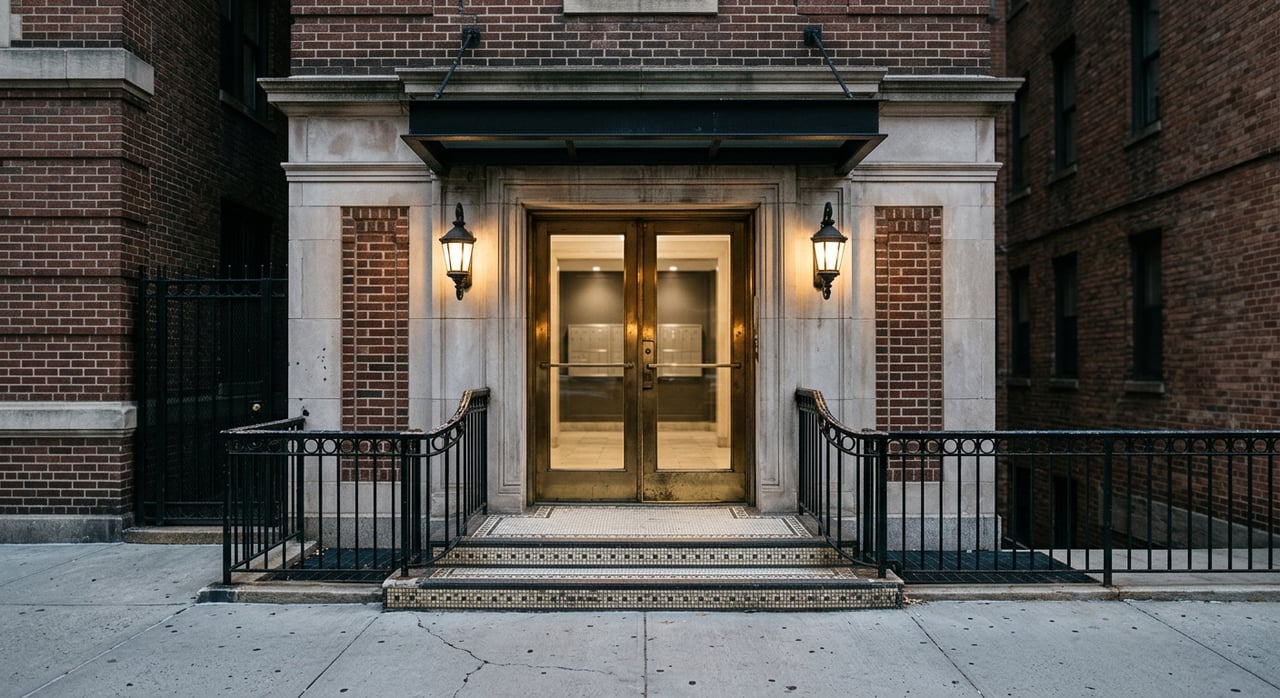
SoHo is defined by 19th and early 20th century cast-iron commercial buildings that now sit within the SoHo–Cast Iron Historic District. These facades were built to showcase large storefront windows and tall floor heights, which is a big reason the interiors feel so open and bright. You can learn more about the district’s protected architecture through the SoHo–Cast Iron Historic District overview.
Many lofts are conversions from commercial or manufacturing use, so you should confirm legal status early. In New York City, some buildings or units fall under the Loft Law and the Loft Board’s oversight. That status can affect what renovations are allowed and what approvals you need. Before you move forward, verify whether the building is a condo, co-op, or an Interim Multiple Dwelling, and whether the unit appears on the Certificate of Occupancy. You can also ask whether a Loft Board Letter of No Objection or Loft Board certification exists for past or planned work. Review the Loft Law terms and the Loft Board’s Letter of No Objection guidance for context.
- Learn about the SoHo–Cast Iron Historic District: cast-iron district background
- Understand the Loft Law framework: Loft Law key terms
- Check Loft Board signoffs: Loft Board LNO process
Layout basics: columns and height
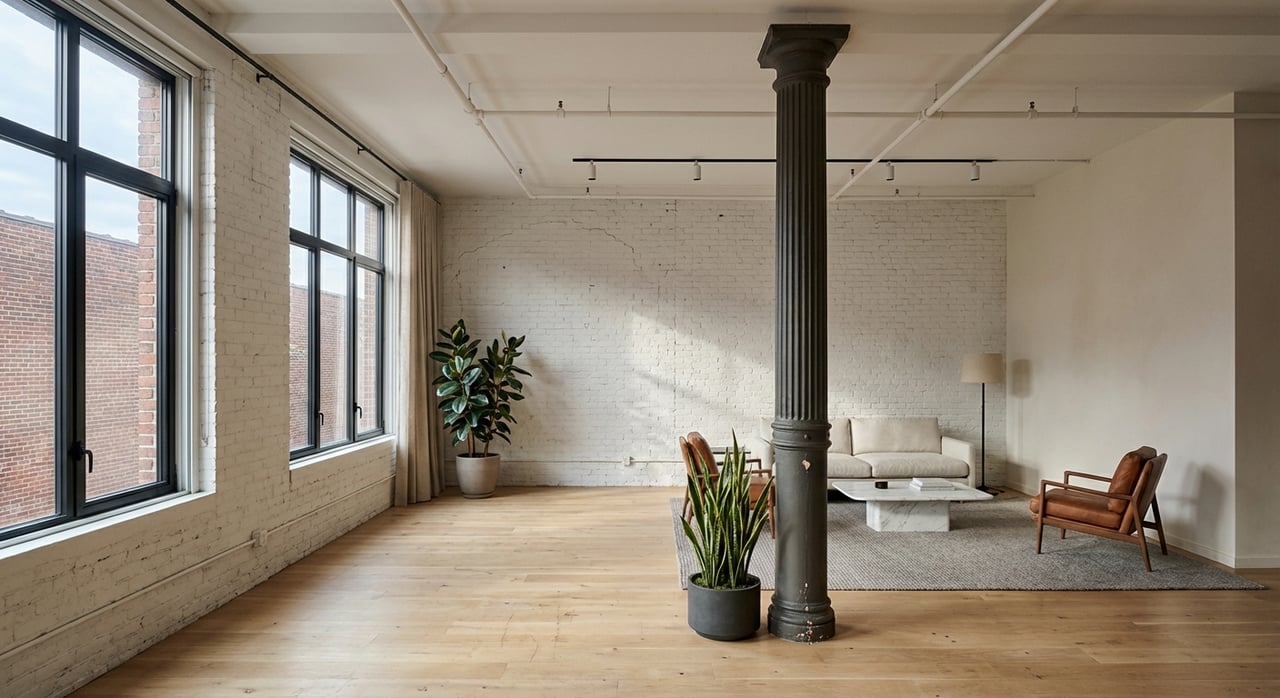
Classic SoHo lofts were built on structural grids, so columns and wide window bays set the rhythm of the space. Column lines define how easily you can carve out bedrooms, circulation, and storage. They also influence where kitchens and baths can go, since plumbing stacks and beam depths are fixed.
Ceiling heights often land in the 10 to 15 plus foot range, and many full-floor lofts advertise 12 to 14 feet. High ceilings amplify volume and sightlines, but they also affect acoustics and HVAC loads. Note dropped areas with ductwork or soffits, since usable clear height is what you live with day to day.
If you are planning heavy equipment, a piano, or a studio, ask for structural drawings and any engineering reports. Historic floors can be robust, but only a professional review can confirm capacity in a specific unit. When you tour, measure and photograph column spacing and beam depths so you can compare what you see to the floor plan.
Mezzanines: what is allowed
Many buyers imagine adding a lofted bedroom or office under those tall ceilings. Building codes treat mezzanines differently from full floors. A common rule used in practice is that the total mezzanine area in a room may not exceed one-third of that room’s floor area. You should confirm how local amendments and interpretations apply to your building. See a plain-language reference to the International Building Code mezzanine limit for background.
In a building governed by the Loft Law, mezzanine work often triggers Loft Board and Department of Buildings reviews before permits will be issued. If a listing shows a sizable mezzanine, ask for permit history, Loft Board Letters of No Objection or certifications, and DOB plan filings. If the work was unpermitted, expect to address code compliance as part of your renovation plan.
- Review the mezzanine rule context: IBC mezzanine area guidance
- Check Loft Board prerequisites: Loft Board LNO process
Daylight: exposure, windows, depth
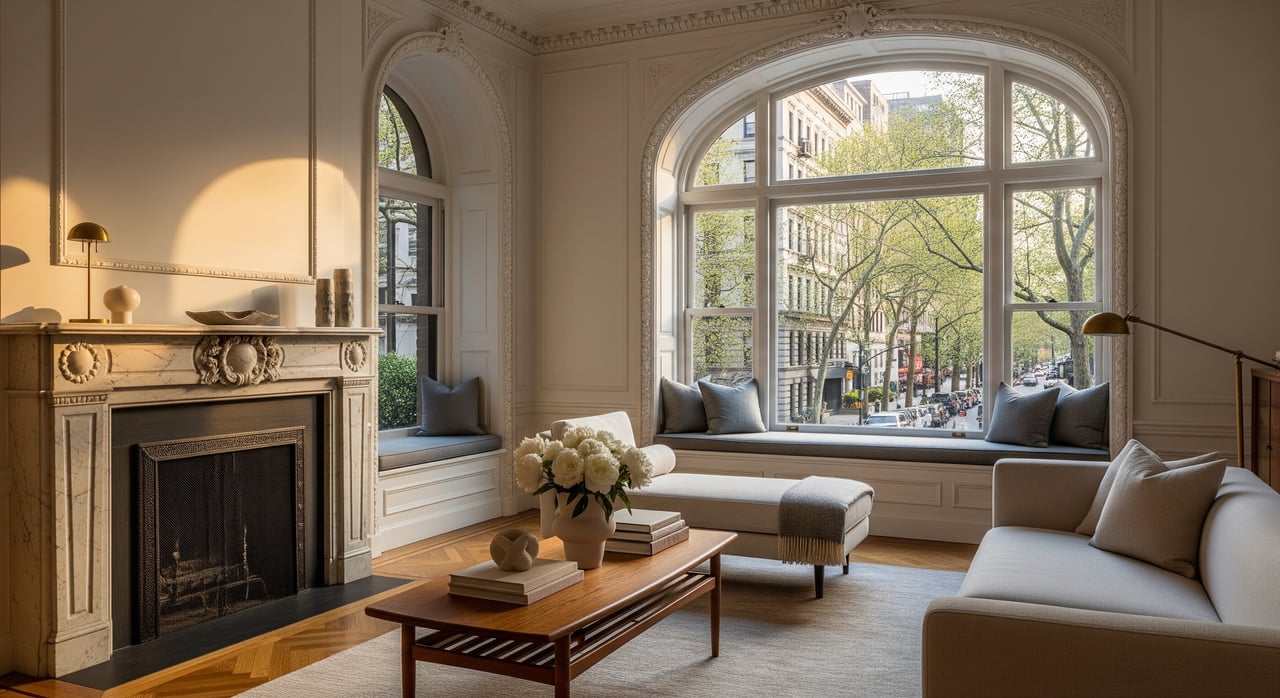
Those famous SoHo windows are a big part of the magic. Many facades were designed to maximize glass, from storefront-style panes to multi-light industrial sash. Window type and condition matter. Original single-pane systems transmit more street sound and may draft, while modern insulated units can improve comfort and acoustics. If the facade is protected, Landmarks approvals are likely required for window modifications. The preservation overview for the district explains why and how changes are reviewed.
Orientation sets the character of the light. In general terms, north-facing windows deliver even, diffuse light. South brings stronger sun and seasonal changes. East gives morning light, while west brings late-day sun and more summer heat. Depth of plan also matters. If the loft runs deep from the windows back to interior rooms, light may drop off quickly unless openings are wide and finishes are reflective. Current daylighting research supports how window area and orientation influence usable daylight and glare.
On tour, test the light by visiting at different times of day. Note angles of direct sun, glare on counters or floors, and whether light reaches the interior bedroom line. Look at head heights, sash condition, and whether there are storm panels or double glazing. Ask what approvals were required for any past window upgrades and whether similar work would need Landmarks review.
- Learn about window changes in the district: historic district guidance
- See daylight research on orientation: daylight and orientation study
Noise: sources and mitigation
SoHo’s energy can be part of the appeal, but you should verify noise at the unit level. Common sources include foot traffic around retail corridors, restaurant or nightlife music, sidewalk dining, delivery trucks, refuse collection, rooftop HVAC, and periodic construction. Activity varies by block and time, so a quiet weekday morning does not always predict a lively Saturday.
New York City enforces a Noise Code through the Department of Environmental Protection. DEP sets limits and requires mitigation for specific sources like HVAC and construction. 311 is the primary path for complaints and enforcement. Construction work outside standard daytime hours typically requires specific permissions, and permitted hours are a helpful baseline for expectations. Before you commit, check for active or planned work, sidewalk sheds, or recent violations on the building or neighbors.
On tour, listen with windows open and closed, both by the windows and deeper in the plan where you might sleep. Ask where condensers, exhaust fans, and elevator equipment are located. If noise could be a deal-breaker for you, consider a short acoustical measurement during peak hours and review the building’s 311 history.
- Review NYC Noise Code and mitigation: DEP noise guidance
- Learn how complaints are logged: 311 complaint overview
On-site checklist
Use this quick list before, during, and after a showing so you do not miss critical details.
Pre-visit requests
- Confirm legal status: condo, co-op, or IMD. Ask whether the unit appears on the Certificate of Occupancy. Request any Loft Board Letters of No Objection or certifications for prior work. Review the Loft Law key terms and the Loft Board’s LNO process if applicable.
- Ask for full floor plans and vertical sections that show column locations, window dimensions, and ceiling heights.
- Request recent DOB permits and violations for the building. Note any facade, roof, or mechanical filings.
During the tour
- Measure ceiling heights at several points. Note soffits, beams, and duct runs that reduce clear height.
- Map the column grid with a tape measure. Photograph column faces and any protrusions that affect furniture placement or door swings.
- Record window orientation. Check sash condition, head height, and whether windows are single- or double-glazed.
- Test noise with windows open and closed, at mid-day and early evening. If possible, visit again on a weekend.
- Identify HVAC equipment serving the unit and where condensers or exhausts sit relative to bedrooms or the roof.
Post-visit follow-ups
- Pull the DOB property profile to confirm the Certificate of Occupancy, permits, and open violations.
- If you are serious: engage a structural engineer to review mezzanines, long spans, or any heavy equipment plans. Consider an acoustical survey if noise is a concern.
- For any window or facade changes, confirm whether Landmarks approvals would be required within the SoHo–Cast Iron Historic District.
Smart questions for the listing agent
- Is the unit legal for full-time residential use on the Certificate of Occupancy? If not, is it an IMD unit and what is the current status of legalization or Loft Board actions?
- Are there any unpermitted mezzanines or partitions? Can you share permit history and DOB-approved plans for prior work?
- What HVAC system serves the unit and where are condensers, cooling towers, or exhaust fans located? Any noise mitigation installed?
- Are there active or recent construction projects on the block, and any open DOB or DEP violations?
- Have there been noise complaints through 311 or DEP, and how were they addressed?
- For condos or co-ops: what are the alteration rules, and are there policies about studio or workspace use?
Buy with clarity
A great SoHo loft rewards a careful eye. When you understand how columns shape layout, how orientation and plan depth shape daylight, and how the Noise Code environment affects daily life, you can move with confidence. Pair that knowledge with a document-first review of legal status and permits, and your short list will be stronger and safer.
If you want a second set of eyes on a specific loft, or need help coordinating showings and due diligence, connect with Geri Grobman. You will get thoughtful, design-minded guidance backed by best-in-class brokerage infrastructure.
FAQs
What makes a SoHo loft different from a typical condo?
- Many SoHo lofts are converted commercial floors in the SoHo–Cast Iron Historic District, with tall ceilings, large windows, and a column grid that shapes layout options.
How can I tell if a SoHo loft is legal for full-time living?
- Ask whether the unit appears on the Certificate of Occupancy and whether the building is a condo, co-op, or an Interim Multiple Dwelling governed by the Loft Law, then request any Loft Board Letters of No Objection or certifications.
What should I know about adding a mezzanine in a SoHo loft?
- Codes typically limit mezzanines to one-third of the room’s floor area, and in Loft Law buildings the Loft Board often must review or sign off before DOB will permit the work.
How do I evaluate daylight in a north- or south-facing SoHo loft?
- North exposures give even, diffuse light while south brings stronger, seasonal sun, so visit at several times of day to check depth of light, glare, and how far sunlight reaches into the plan.
How is noise regulated for SoHo homes and businesses?
- New York City’s DEP enforces the Noise Code, sets limits for sources like HVAC and construction, and routes complaints through 311, so you should review local activity and any recent violations.