Do you picture sunlit, double-height rooms and exposed brick, or do you prefer defined rooms with classic detailing and plenty of closets? In Gramercy-Flatiron, you can choose either path without leaving the neighborhood you love. This guide breaks down how lofts and classic apartments differ in ceiling height, layouts, light, privacy, WFH fit, maintenance, and legal checks. By the end, you will know exactly what to look for on tours and how to match the right home to your lifestyle. Let’s dive in.
Gramercy vs Flatiron: Building stock
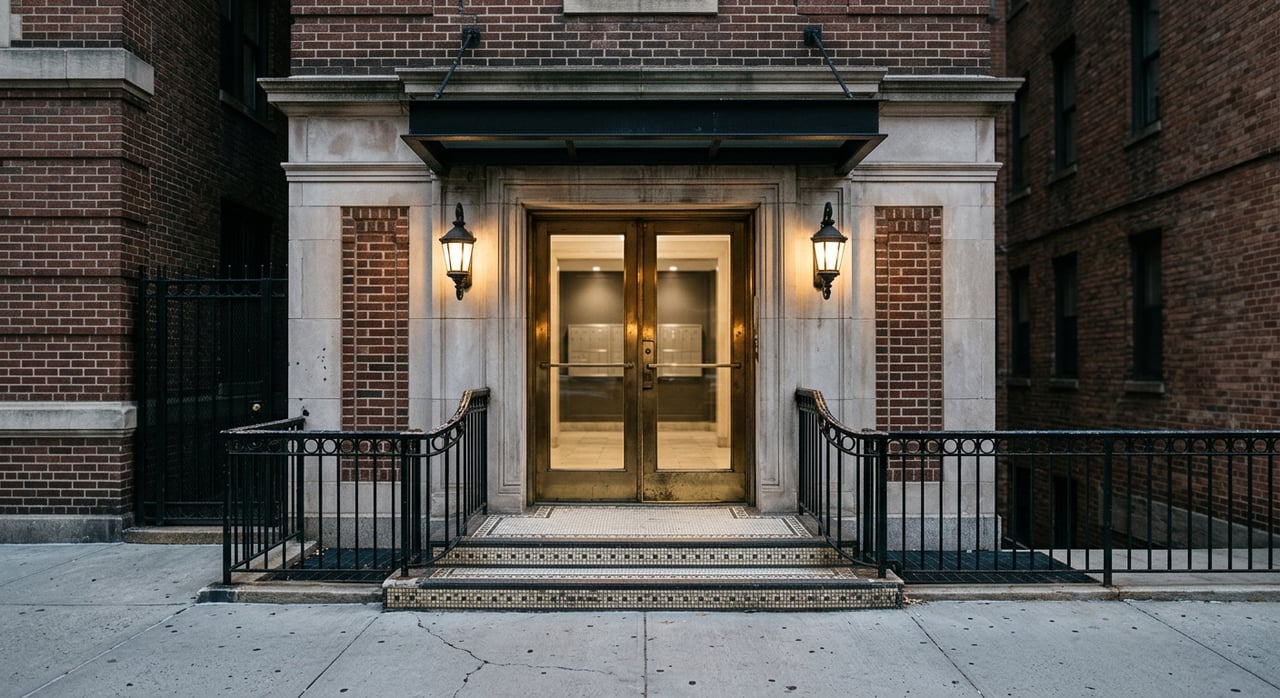
Gramercy centers around a quiet, historic core near the private park, with a concentration of prewar co-ops, townhouses, and traditional floor plans. For a quick feel, explore the Gramercy Park neighborhood profile.
Flatiron and NoMad have a different DNA. Historic commercial and industrial buildings with cast-iron facades and large floor plates have been converted over time, while recent developments added modern condos. See the Flatiron neighborhood overview and learn more about how Flatiron’s commercial core evolved into residential life.
Historic districts like the Ladies’ Mile Historic District helped make loft living possible here by preserving large-windowed, deep buildings that adapt well to open layouts. In contrast, Gramercy’s established co-op blocks and park adjacency support a more classic apartment experience with defined rooms and conventional amenity sets.
Loft vs classic: Key differences
Ceilings and vertical space
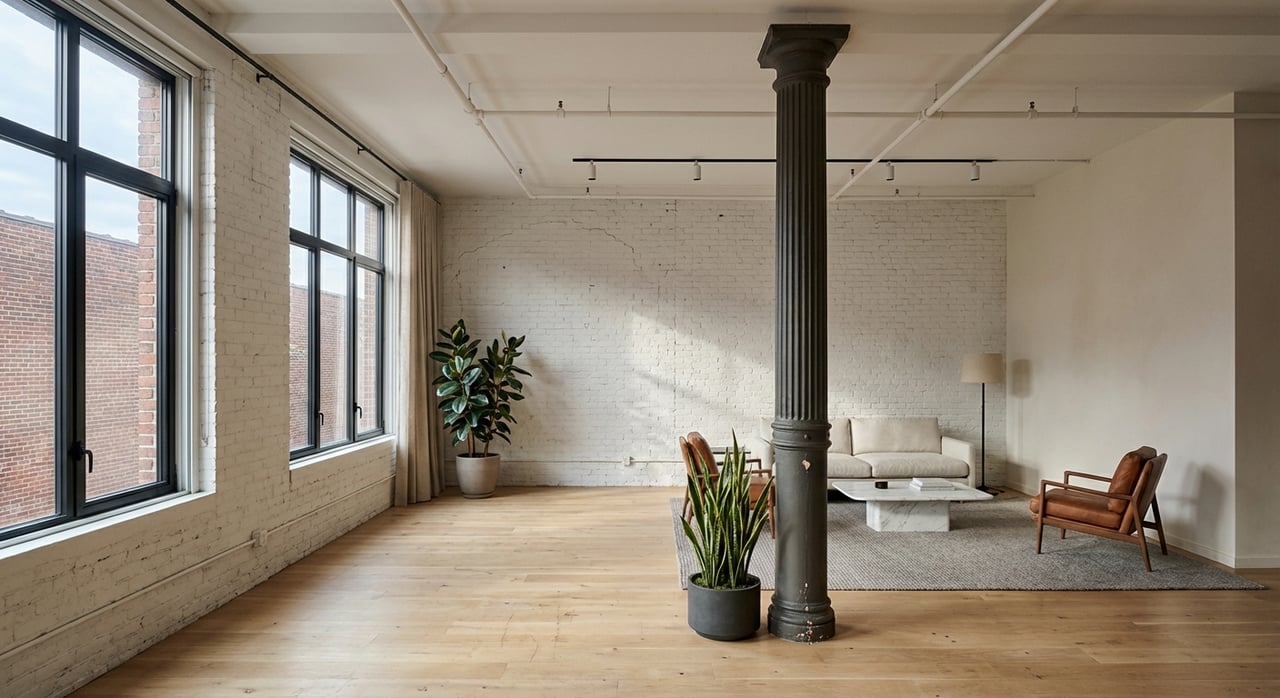
- Lofts are prized for vertical volume. Typical loft ceilings range from about 10 to 20 feet, with many hard lofts in the 12 to 20 foot band. These heights allow mezzanines and dramatic proportions, as outlined in this overview of the defining features of lofts.
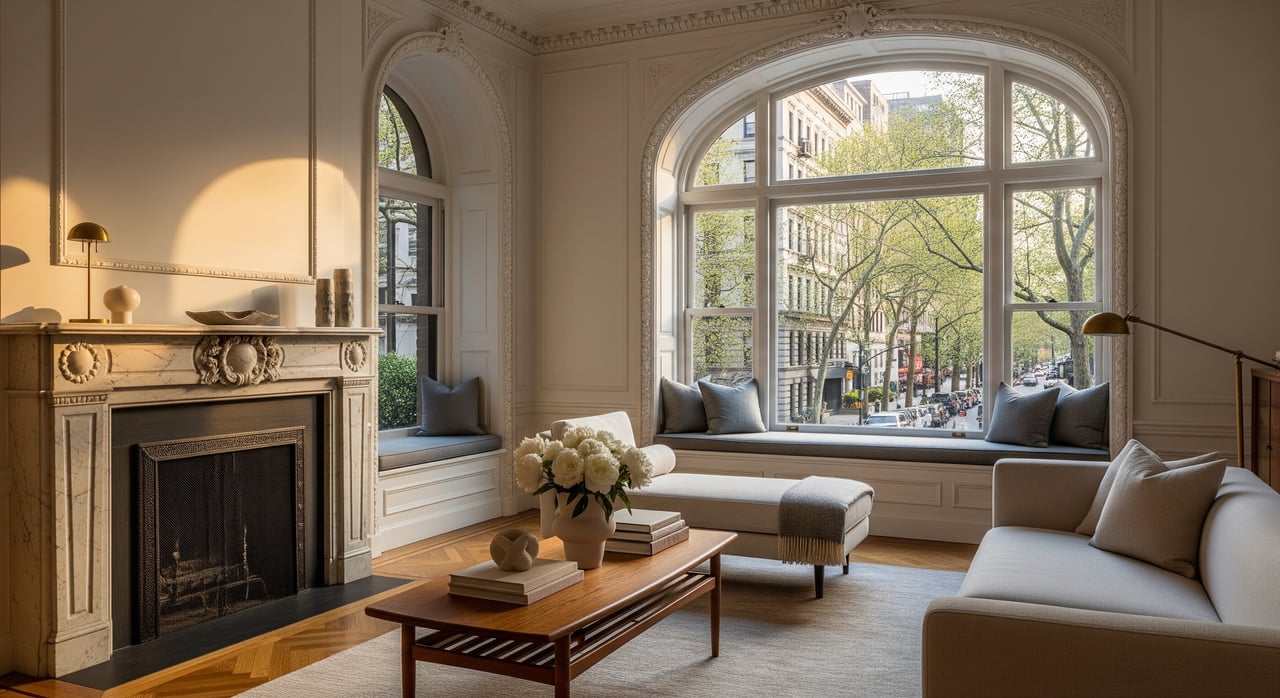
- Classic and prewar apartments generally offer about 8 to 11 foot ceilings, often 9 to 11 feet in higher-end prewar stock. Details like moldings and plaster work are common in prewar settings, as seen in prewar apartment characteristics.
Layout and room count
- Lofts lean open plan. Kitchens integrate into the main space, and bedrooms may be partial enclosures or mezzanines. You gain flexibility but usually trade off fully enclosed rooms.
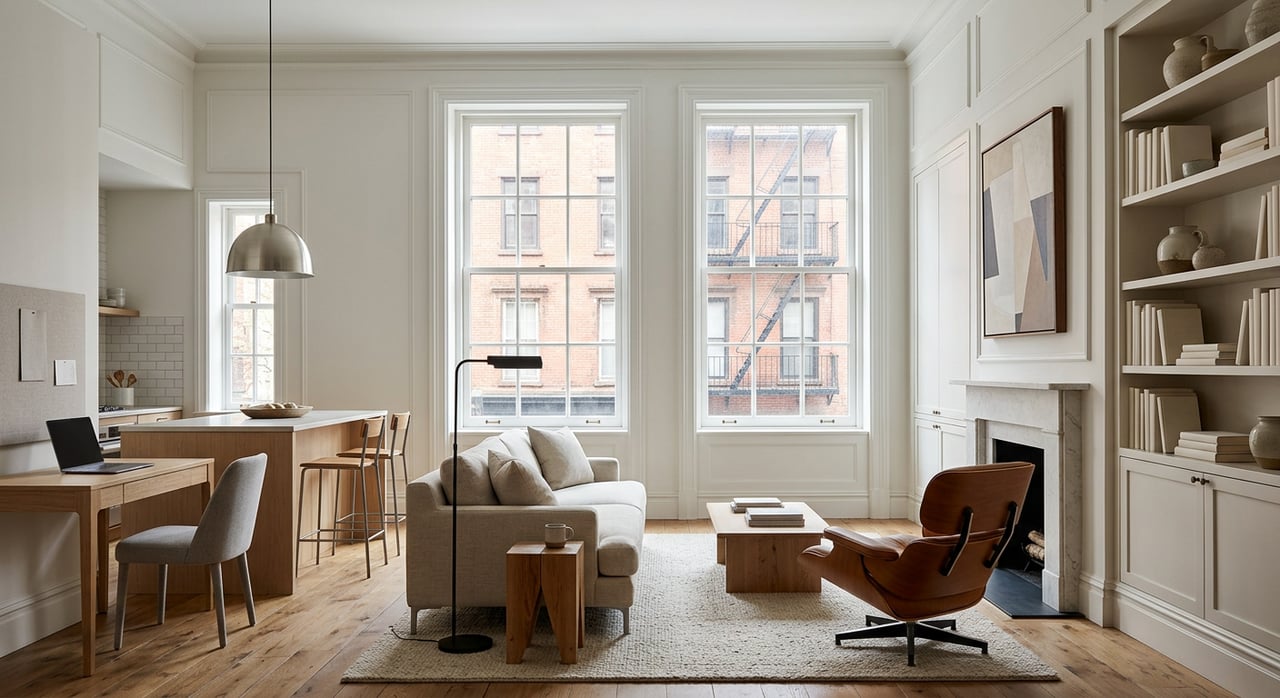
- Classic apartments are organized for day-to-day life. Separate bedroom(s), living and dining areas, and built-ins or closets are common. It is easier to find or create a door-separated office without major build-outs.
Windows, light, and privacy
- Lofts often feature large industrial-style or floor-to-ceiling windows that push daylight deep into the space. The flip side is solar gain and privacy management for large panes.
- Traditional units filter light room by room. Sightlines are shorter, and privacy is more straightforward because rooms are enclosed.
Materials and character
- Lofts may include exposed brick, timber or steel columns, visible ductwork, and heavy plank floors. Newer “loft-style” buildings can echo this look with modern systems.
- Classic apartments tend to show refined finishes: moldings, plaster, built-ins, and patterned wood floors. The design language signals a different resale audience.
Life-safety and code
- Many lofts began as commercial or warehouse spaces and were later legalized for residential use under New York’s Loft Law. Confirm status and required retrofits, such as egress and sprinklers, using NYC Loft Board guidance.
- Any conversion that changed use or egress should have Department of Buildings filings and an amended Certificate of Occupancy where applicable. Verify sign-offs and records through the Department of Buildings change-of-occupancy rules.
Work from home and privacy
If you need quiet calls or on-camera meetings, ask yourself one question first: Do you need a door?
- In a loft, the open plan boosts light and volume but can spread household noise. Hard surfaces like brick, concrete, and wood can heighten reverberation unless treated. If you choose a loft, plan for an office zone using a full-height divider, an enclosed pod, a mezzanine office, or a repurposed internal room if available.
- In a classic apartment, an enclosed bedroom or den can serve as a dedicated office with more predictable acoustic control, fewer interruptions, and easier boundary setting.
Tip: During a showing, have someone talk in the living area while you take a call where you would place your desk. That simple test quickly reveals noise and separation levels.
Heating, cooling, and energy
Tall spaces stratify air and may need longer system run times to maintain comfort. Ask about zoning, destratification fans, and system age, and request recent utility bills. These are common considerations for high-ceiling interiors, reflected in ASHRAE guidance for high-ceiling spaces.
In classic apartments, more modest ceiling heights and smaller room volumes can make temperature control more predictable. Still, evaluate window condition, glazing, and building-wide systems wherever you buy.
Ownership and legal checks
Co-op vs condo basics
Gramercy’s parkfront blocks include many co-ops. Co-ops typically have board approvals, monthly maintenance that often includes property taxes, and stricter sublet and renovation rules. Condos are usually more flexible on subletting and transfers, though common charges vary by amenity load. For context on monthly costs, see how co-op maintenance works.
Loft Law and legalization
Some buildings are or were Interim Multiple Dwellings under the Loft Law. Legal status affects rights, obligations, and risk. Before you offer on a converted loft, confirm legalization status and required upgrades using NYC Loft Board guidance.
Change-of-occupancy and DOB
If the space was converted from commercial to residential, verify that the owner obtained the correct approvals and, where required, an amended Certificate of Occupancy. Review the Department of Buildings change-of-occupancy rules and ask for sign-offs and final inspections.
Quick decision guide
Choose a loft if you want:
- 12 to 20 foot ceilings and dramatic volume.
- Large, open living for entertaining or art.
- Flexible zones you can shape over time.
- Industrial character like brick, beams, or columns.
Choose a classic apartment if you want:
- Enclosed rooms for privacy and a door-separated office.
- Predictable storage with closets and built-ins.
- Traditional proportions, moldings, and refined finishes.
- Straightforward temperature control and light management.
Tour-ready checklist
Bring this list to showings and note answers on your phone:
- Legal status. Ask for Certificate of Occupancy or Loft Board coverage, plus any conversion documentation.
- Ceiling heights. Measure key rooms and any mezzanine headroom.
- Enclosed rooms. Count rooms with doors that can serve as an office.
- HVAC and utilities. Check zoning, system age, and request recent bills.
- Windows and exposure. Note glazing type, orientation, and shading options.
- Acoustics. Test call quality in your preferred desk area.
- Storage. Count closets and consider feasibility of built-ins if needed.
- Building rules. Review co-op bylaws or condo house rules, sublet policy, and renovation requirements.
- Monthly costs. Confirm what maintenance or common charges include, and ask about assessments.
- Resale comps. Compare similar lofts and classic units nearby rather than assuming a fixed premium.
Final thoughts
Both options thrive in Gramercy-Flatiron. Lofts deliver volume, light, and flexibility. Classic apartments offer separation, storage, and day-to-day ease. The right fit depends on how you live, how you work, and how much you value character versus enclosed rooms.
If you want a calm, design-savvy process to identify the best buildings, evaluate legal status, and plan value-added improvements, connect with Geri Grobman for tailored guidance.
FAQs
What defines a true loft in Gramercy-Flatiron?
- Expect high ceilings around 10 to 20 feet, large windows, and open layouts, often in buildings converted from commercial or industrial use.
Are classic prewar apartments better for WFH privacy?
- Often yes, because enclosed rooms with doors offer more predictable acoustic separation and fewer interruptions than open loft plans.
Do lofts cost more to heat and cool?
- They can, since tall volumes stratify air and may require longer run times; ask about zoning, fans, and recent utility bills.
How do co-op rules differ from condos here?
- Co-ops usually require board approval and have stricter sublet and renovation rules; condos are typically more flexible but vary by building.
What legal documents should I request for a converted loft?
- Ask for the Certificate of Occupancy or Alt CO, Loft Board coverage or legalization evidence, and DOB sign-offs for completed work.